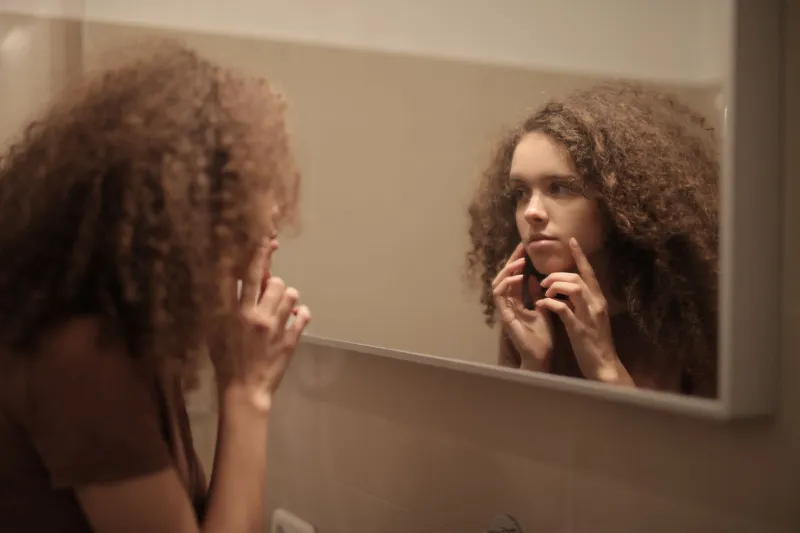
Your Hair Looks Healthy — But Your Strands Are Already Sending an SOS
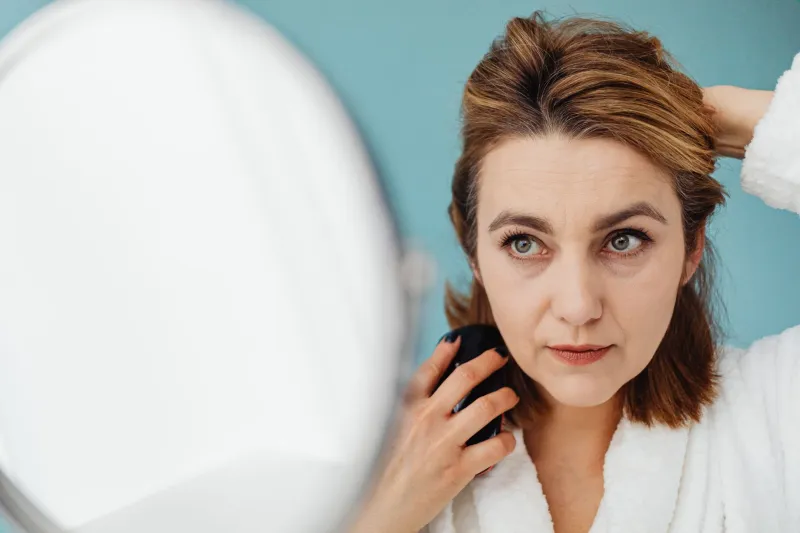
You ran your fingers through your hair this morning and it felt fine. No dramatic breakage. No split ends catching on everything. Your ponytail still looks full, your color is holding, and your blowout is doing its thing. So why does something feel... off?
Here's the uncomfortable truth: by the time hair damage becomes visible, it's been quietly accumulating for weeks — sometimes months. The stuff that shows up in photos and fluorescent lighting is just the final chapter of a much longer story your strands have been trying to tell you.
Learning to read that story earlier? That's where the real hair care happens.
Why Damage Is a Slow Build, Not a Sudden Event
Think of your hair shaft like a braided rope. Healthy hair has tightly organized protein bonds — primarily keratin — wrapped in a smooth cuticle layer that lies flat and reflects light. Every time you apply heat, process with color or relaxers, or expose your strands to environmental stressors like UV rays and hard water minerals, you're introducing micro-level disruptions to that structure.
One blowout? Fine. Your hair can handle it. But stack that blowout with a highlight appointment, a week of dry shampoo, sun exposure on a beach trip, and a flat iron touch-up — and those micro-disruptions start to compound. The cuticle begins to lift. The internal protein bonds weaken. Moisture escapes more easily. And the whole structure becomes less resilient.
None of this looks like "damage" yet. But it absolutely is.
The Early Warning Signs Most People Brush Off
Because we're conditioned to look for dramatic signs — extreme breakage, visible thinning, fried ends — a lot of us completely miss the earlier signals. Here's what to actually pay attention to:
Texture shifts that feel subtle but persistent. If your hair used to air-dry with a certain softness and now it's got a slightly rougher, almost straw-like finish in spots, that's cuticle damage talking. It's easy to chalk this up to humidity or product buildup, but if it's consistent regardless of conditions, that's a flag.
Elasticity that's gone quiet. Healthy hair stretches and bounces back. To test yours: take a single wet strand and gently pull it. It should stretch a little — around 30% — and return to its original length without snapping. If it breaks immediately with almost no stretch, or if it stretches way too far and doesn't return, your elasticity is compromised. This is one of the most reliable early indicators of damage, and most people never check it.
Tangles that didn't used to happen. When cuticles are raised and rough, strands snag on each other more easily. If detangling your hair has become a whole project when it used to take two minutes, your cuticle layer is likely lifting.
Styles that won't hold the way they used to. Heat styling is less effective on compromised hair because damaged strands don't respond to temperature the same way. If your curls are dropping faster or your blowout falls flat by noon, that's structural weakness, not a product problem.
Breakage at unexpected points. End breakage is normal. But if you're seeing short, mid-shaft pieces coming off in your brush — especially around areas where you clip, tie, or apply heat most often — that's a sign of localized damage that's progressing.
What's Actually Causing It (Beyond the Obvious)
Yeah, heat tools and bleach are on the list. But some of the sneakier culprits don't get nearly enough attention:
- Hard water. Mineral deposits from calcium and magnesium build up on the hair shaft and block moisture absorption while gradually roughing up the cuticle. If you're in a city with notoriously hard water — Phoenix, Las Vegas, Indianapolis — this is a real factor.
- UV exposure. Sun degrades the proteins in your hair, particularly melanin and keratin. A full summer of outdoor activity without any UV protection for your strands is doing quiet damage.
- Friction. Cotton pillowcases, rough towel drying, and even certain hair ties create mechanical damage that weakens strands over time.
- Product overload. Layering multiple products with heavy silicones or alcohols without proper clarifying can coat the shaft in a way that blocks moisture and stresses the cuticle.
The Reset Plan — No Big Chop Required
A hair reset doesn't have to mean cutting off length or overhauling your entire routine overnight. It means being strategic about what your hair actually needs right now.
Step 1: Clarify first. Before anything else, clear the slate. Use a clarifying shampoo to remove buildup from hard water, products, and environmental residue. You can't effectively treat a strand that's coated in a layer of gunk. Do this once, then return to your regular shampoo.
Step 2: Do a real protein treatment — but match it to your damage level. Light damage? A protein-infused conditioner used weekly is usually enough. More significant elasticity loss? A reconstructing treatment with hydrolyzed keratin or wheat protein, used once or twice a month, can start rebuilding the internal structure. Don't overdo it — too much protein without moisture leads to brittleness.
Step 3: Follow with deep moisture. Protein and moisture work as a team. After any protein treatment, lock in hydration with a rich, penetrating conditioner — look for ingredients like aloe vera, glycerin, or panthenol. Let it sit under a shower cap for at least 20 minutes.
Step 4: Pull back on heat — even partially. You don't have to go cold turkey, but giving your hair two to three weeks of significantly reduced heat exposure makes a measurable difference in cuticle recovery. Stretch your blowouts. Embrace a protective style. Let air-drying carry more of the load for a while.
Step 5: Address the friction points. Switch to a silk or satin pillowcase. Use a microfiber towel or a soft t-shirt to blot (not rub) your hair dry. Swap elastics for spiral hair ties in your highest-use areas.
Step 6: Add a weekly scalp massage with a lightweight oil. Scalp health drives growth and retention. A five-minute massage with jojoba or grapeseed oil increases circulation and supports the environment your strands are growing from. Healthy roots mean more resilient new growth coming in.
The Mindset Shift That Changes Everything
We're so trained to react to visible damage that we almost never think about preventive hair care — the kind that catches problems before they become crises. But your hair is always giving you information. The question is whether you're paying attention early enough to actually use it.
A reset isn't a failure. It's just maintenance. The same way you'd tune up your car before something breaks down on the highway, your strands deserve a recalibration before things get critical.
Your hair looks fine right now. That's actually the best time to take care of it.