Your Hair Is Getting Worse — And That's Actually Good News
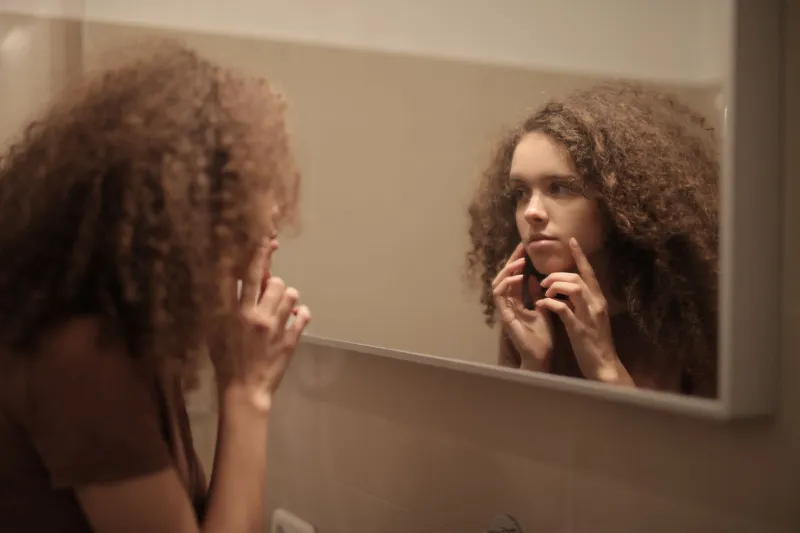
You did everything right. You researched ingredients, read the reviews, spent more than you wanted to on a shampoo that promised to change your life. And then, two weeks in, your hair looks like it gave up. It's limp. It's greasy. It's dull in a way it never was before — not even on your worst wash-day mornings.
So you do what most of us do: you blame the products.
Here's the thing, though. What you're experiencing has a name, it has a timeline, and it's actually one of the more reliable signs that your hair is finally starting to reset. The buildup cycle is one of the least-talked-about parts of a hair care overhaul, and it trips people up constantly — not because the products failed, but because nobody warned them this part was coming.
What's Actually Happening Under All That Gunk
Most conventional hair products — especially drugstore shampoos and silicone-heavy conditioners — are built around a kind of performance loop. They coat the hair shaft, smooth things over, and deliver immediate results that look great in the mirror. The catch? That coating accumulates over time. Silicones, waxes, polymers, and certain conditioning agents layer on top of each other with every wash, creating a film that gets harder and harder to remove with regular cleansing.
When you switch to a formula that's actually designed to clean and nourish without that artificial coating, your hair suddenly has to deal with two things at once: the absence of what it was used to, and the slow release of everything that was sitting on it. That's the buildup cycle. Your strands are essentially detoxing, and like most detox processes, it's not pretty before it gets better.
The scalp is part of this equation too. If you've been using heavy products for months or years, your scalp may have adjusted its sebum production in response. Switch things up, and it can temporarily overproduce oil — your body's way of compensating for what it thinks is suddenly missing. That's why some people experience an oilier scalp in the first few weeks of switching, even when they're washing just as often.
What "Normal" Looks Like During the Transition
There's a range of what you can expect, and most of it is nothing to worry about. In the first one to three weeks, it's common to notice:
- More grease at the roots, especially if you've been using dry shampoo heavily or washing infrequently
- Dullness or lack of shine, because the coating that was reflecting light is no longer there
- Texture changes — hair might feel rougher, coarser, or just different than what you're used to
- Increased frizz or flyaways, particularly for curlier or more porous hair types
- Product seeming to absorb differently — or not absorbing at all for a stretch
For most people, the worst of it passes within three to six weeks. If you're transitioning from a particularly heavy product lineup — think silicone-rich leave-ins, petroleum-based styling creams, or long-term use of high-lather sulfate shampoos — it might take closer to eight weeks before your hair finds its new normal.
Naturally, that timeline depends on your hair's length, density, and how long the old routine was in place. Someone who's been using the same silicone conditioner since high school is going to have a longer transition than someone who switched things up six months ago.
When to Actually Be Concerned
The transition phase is real, but it's not a free pass for every bad hair experience. There's a difference between your hair adjusting and your hair genuinely not responding well to something new.
Red flags worth paying attention to include:
- Scalp irritation, itching, or flaking that wasn't there before — especially if it worsens after each wash
- Breakage that feels sudden and dramatic, not just the usual shedding
- Redness or tenderness on the scalp, which can point to an ingredient sensitivity
- Hair loss beyond normal shedding (the average is around 50-100 strands a day — anything that feels significantly beyond that warrants attention)
If you're seeing any of these, it's worth stepping back and looking at the ingredient list of your new products. Certain preservatives, fragrances, and even some naturally-derived ingredients can be irritating for specific scalp types. A reaction isn't the same as a transition — one is your body adjusting, the other is your body saying no.
How to Survive the Ugly Phase Without Giving Up
The biggest mistake people make during the transition is abandoning ship too early. They hit week two, their hair looks rough, and they go back to the old products — which immediately smooth things over and make everything look fine again. And then they conclude the new stuff "doesn't work."
It's a trap, and it's incredibly common.
A few things that actually help:
Clarify first, then commit. Before you even start a new routine, do one solid clarifying wash to strip as much existing buildup as possible. A good clarifying shampoo — used just once — can shorten your transition window significantly by giving your new products a cleaner slate to work with.
Resist the urge to pile on more product. When hair feels rough or dull, the instinct is to add more — more oil, more conditioner, more leave-in. But during a transition, that can just layer more stuff on top of what's already trying to release. Keep it simple.
Document what you're seeing. This sounds tedious, but even a quick phone photo every few days gives you a reference point. The transition often happens so gradually that you don't notice improvement until you look back.
Give your scalp some attention. A gentle scalp massage a few times a week can help stimulate circulation and encourage the natural shedding of buildup. It also just feels good, which matters when your hair is being difficult.
Set a realistic timeline and commit to it. Tell yourself you're going six weeks before making any judgment calls. Mark it on your calendar if you have to. Six weeks is long enough to get through the rough patch and start seeing what your hair is actually capable of without the old product residue sitting on top of it.
The Part Nobody Wants to Hear
Better hair takes longer than a week. That's just the reality, and the beauty industry — with its before-and-after content and 48-hour transformation claims — has made it genuinely hard to sit with that truth.
But here's a reframe worth holding onto: if your hair looks worse right after switching to a product designed to actually work, that's not failure. That's evidence. It means something was sitting on your strands that had no business being there, and now it's finally moving out.
The buildup cycle is uncomfortable. It's inconvenient. It picks the worst possible week to peak (usually right before something you care about). But on the other side of it is hair that responds differently — hair that actually absorbs what you put on it, that doesn't need to be re-coated every few days to look decent.
Your crown deserves that version. It's just going to take a minute to get there.