Why Your Hair Won't Absorb Anything — And It's Not About the Price Tag
Let's be real for a second. You've stood in the beauty aisle, or scrolled through a retailer's site at midnight, and convinced yourself that this product — the one with the fancy peptides and the $40 price tag — was finally going to fix things. And then it didn't. Your hair still feels crunchy, or greasy, or just... unresponsive. Like it's rejecting everything you offer it.
Here's the thing nobody told you: your hair might not have a product problem. It might have a porosity problem.
So What Even Is Porosity?
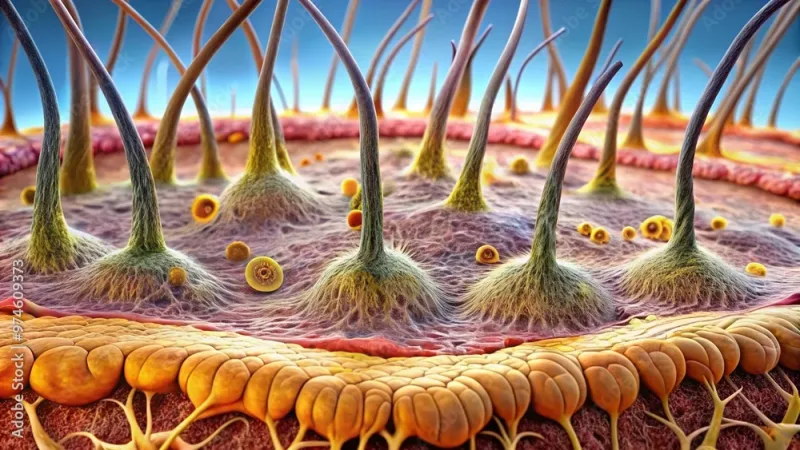
Hair porosity refers to how well your hair cuticle — that outermost protective layer made up of overlapping scales — allows moisture and products to move in and out. Think of it like a window screen. If the screen is too tight, nothing gets through. If it's too loose, everything flies right back out. The goal is a screen that lets the right stuff in and keeps it there.
There are three general porosity levels:
- Low porosity — The cuticles lie flat and tightly packed. Products tend to sit on top of the hair rather than absorbing.
- Medium (or normal) porosity — The cuticles are slightly raised, allowing moisture in and holding it reasonably well. This is the sweet spot.
- High porosity — The cuticles are raised, damaged, or have gaps, meaning moisture absorbs fast but escapes just as quickly.
Porosity isn't just about genetics, either. Heat damage, chemical treatments, color processing, and even hard water can shift your hair's porosity over time. So if you've been coloring your hair for years and suddenly nothing works the way it used to, that's not a coincidence.
How to Figure Out Where You Land
You don't need a lab or a dermatologist. There are a couple of easy at-home methods that give you a solid starting point.
The Float Test: Take a few clean, dry strands (use hair that's shed naturally, not freshly washed with product still in it) and drop them into a glass of room-temperature water. Wait about four minutes. If the strands float the whole time, you're likely low porosity. If they sink quickly, you're probably high porosity. If they float for a bit and then slowly sink, you're in the medium range.
The Slip-and-Slide Test: Run your fingers up a single strand of hair from tip to root. If it feels smooth the whole way, your cuticles are lying flat — low porosity. If it feels rough or bumpy, those cuticles are raised — high porosity.
Neither test is 100% definitive, and your porosity can vary across different sections of your hair (hello, over-processed ends). But these give you enough information to start making smarter product choices.
Low Porosity: Your Hair Is Basically a Bouncer
If you have low porosity hair, your cuticles are doing too good of a job protecting your strands. Products pool on the surface, leading to buildup, dullness, and that heavy, weighed-down feeling even when you haven't used much product.
What actually helps:
- Heat is your friend. Applying a deep conditioner with a warm towel or a hooded dryer helps lift those tight cuticles just enough to let moisture in. This isn't about cooking your hair — it's about creating the right environment for absorption.
- Go light on proteins. Low porosity hair tends to be protein-sensitive. Heavy protein treatments can cause more buildup and stiffness. Look for moisture-rich formulas instead.
- Clarify regularly. Because products sit on top rather than absorbing, buildup happens fast. A clarifying shampoo every couple of weeks keeps things clean without stripping.
- Choose humectant-forward products. Ingredients like glycerin and aloe vera draw moisture from the air into the hair shaft, which works with low porosity hair rather than against it — as long as you're in a humid enough environment.
High Porosity: Your Hair Drinks Fast and Forgets Faster
High porosity hair is the opposite situation. Those raised or damaged cuticles let moisture in quickly, which sounds great until you realize it escapes just as fast. High porosity hair tends to feel dry almost immediately after washing, frizzes easily, and can feel rough or tangled.
What actually helps:
- Seal after you moisturize. This is non-negotiable. Layering a heavier butter or oil (think shea butter, castor oil, or a blend) over your leave-in creates a barrier that slows moisture loss. The LOC or LCO method — liquid, oil, cream in some order — was basically designed for high porosity hair.
- Cold water rinses. Finishing your wash with cool water helps close those raised cuticles temporarily, which reduces frizz and helps lock in whatever moisture you just applied.
- Protein treatments, done right. Unlike low porosity hair, high porosity hair often responds well to protein because it helps fill in those gaps in the cuticle. Just don't overdo it — too much protein without moisture balance leads to brittleness.
- Avoid harsh sulfates. They strip the hair's natural oils aggressively, which high porosity hair really can't afford.
The Real Reason Price Doesn't Matter Here
Here's the uncomfortable truth: a $60 hair mask formulated for smooth, low-porosity hair is going to do almost nothing for someone with high porosity strands — and vice versa. The issue isn't quality. It's compatibility.
When brands market products as universally beneficial or suitable for "all hair types," they're usually speaking in very broad strokes. That's not shade — it's just the reality of how hair science works. Your hair has specific structural needs, and those needs should drive your purchasing decisions more than influencer recommendations or packaging claims.
Once you know your porosity level, you can read ingredient lists with a purpose. You start looking for humectants versus occlusives versus proteins — not just vibes and a nice smell.
Building a Routine That Actually Works
Start simple. You don't need to overhaul everything at once.
- Test your porosity using the methods above.
- Identify the one step in your routine that feels most broken — whether that's your conditioner not absorbing, your style falling flat too fast, or your hair drying out within hours.
- Swap one product that aligns with your porosity needs and give it at least four to six weeks before judging results.
- Track what changes. Your hair's behavior tells you more than any marketing copy ever will.
Your crown deserves products that actually work with it — not against it. And that starts with knowing what your hair is actually asking for.